
I have heard it said that the command to be “fruitful and multiply” is the preeminent prerequisite for the rest of God’s plan. Makes sense: if there is no race of men, then there can be no Incarnation. If there is no Incarnation, there will be no salvation. Stephen Dempster, author of Dominion and Dynasty points out that, “God blesses human beings with the ability to multiply and flourish in the earth. They cannot accomplish their dominion mandate without reproducing their kind to help them to do it. In doing so, human beings are not acting independently of God but obeying him and reflecting the divine glory.” Likewise, Edith Stein in her essay “Woman’s Formation” agrees with Dempster’s analysis. Stein says: “God has given each human being a threefold destiny: to grow into the likeness of God through the development of his faculties, to procreate descendants, and to hold dominion over the earth.”
Stein’s essay goes on to spell out woman’s role in this destiny. Stein says: “These destinies, natural and supernatural, are identical for both man and woman. But in the realm of duties, differences determined by sex exist. (Therefore), marriage and maternity are presented with a certain exclusiveness as the destiny of woman. These are even the means for fulfilling her supernatural goal: she is to bear children and raise them in faith in the Redeemer so that one day she will behold her salvation in them.”
In other words, being fruitful and multiplying is kind of a big deal.
Is it any wonder, then, that so many of the key women in the bible story are barren? Take, for example, Sarah, wife of Abraham to whom God promised a great dynasty. Or how about Rebekah, wife of Isaac? Or maybe look at Hannah, who cries out passionately to the Lord for a child. Manoah’s wife is also barren. The list goes on and on.
Barrenness is not the only characteristic that these women share, however. More importantly is that all these women become fruitful by the intervention of God. This intervention blossoms into further wonderful fruitfulness. Sarah and Abraham start the line of the people of God; Isaac is the father to the Twelve Tribes; Manoah and his wife bear Samson, who defeats a threat to the people of God. Since all of these folks mentioned play a pivotal role in the plan of salvation, it is as if God, by using barren women, is showing humanity our complete inadequacy to save ourselves. God Himself is going to have to be the one to fix the mess that we made. Or, put another way, God’s promise of eternal life, which is the goal of being fruitful and multiplying, is so grand that only God Himself can ensure it.
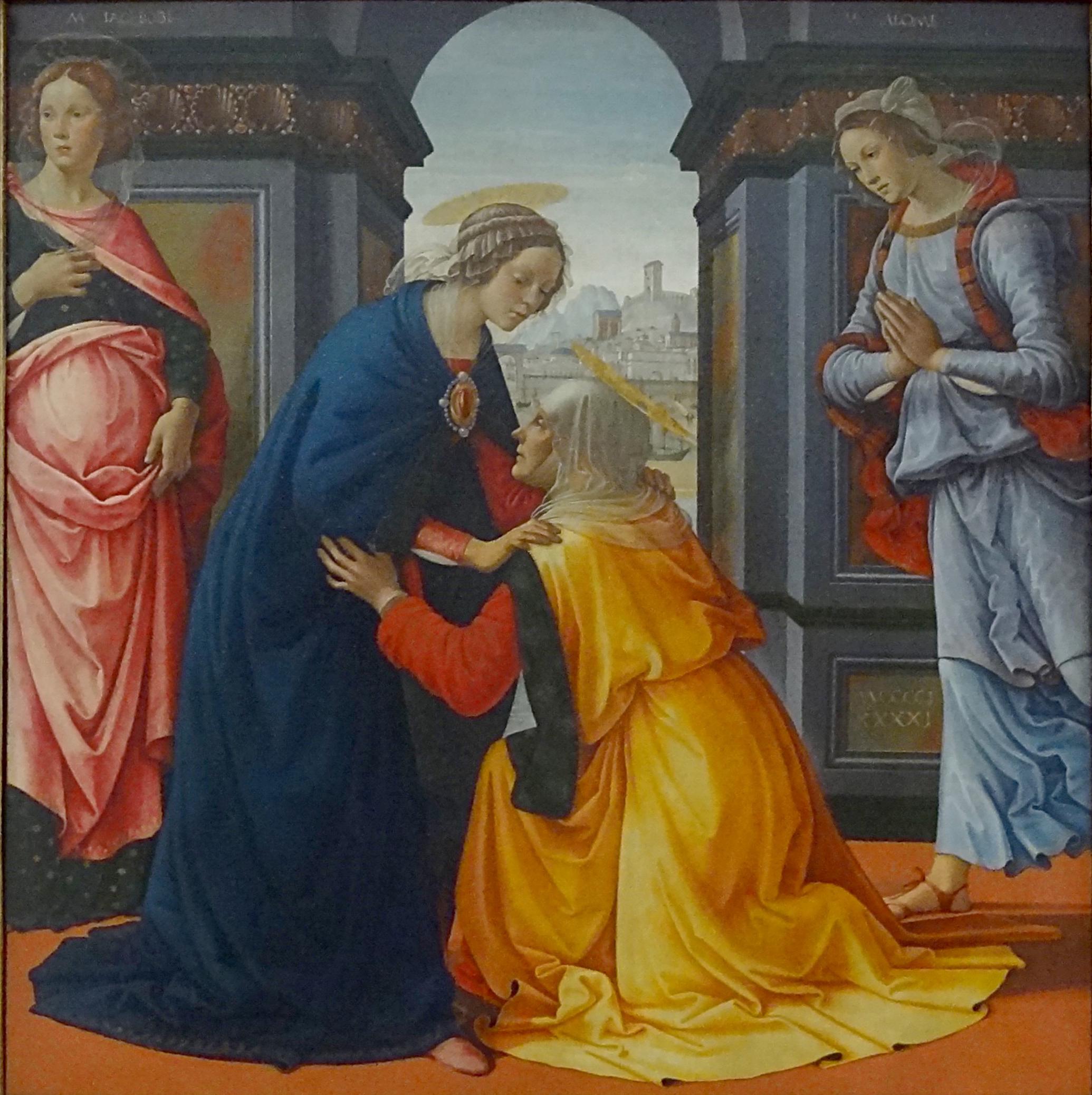
The culmination of this plan, of course, is Jesus Christ. Is it no wonder, then, that God would choose, as a final narrative masterpiece, a virgin to work His greatest intervention of all? Though not barren, Mary was not expecting to have children. Yet, the angel tells Mary she will conceive, not by the seed of a man, but by “the power of the Most High”, producing the Son of God (Luke 1:34-35). This Son of God is the Author of Life itself. He is the Eternal Life. Alleluia!
Given all of this, there is one final takeaway that I hope has been made clear: in times where we find ourselves at wit’s end, times when we’ve done all we can but find our efforts barren, fear not, for God loves these odds. He will act. He will bring about a fruitfulness that is miraculous. In doing so, He is reminding us that we cannot save ourselves. Only He can save, and He will.